


RAGDOLL
Ragdoll: Beauty, Sweetness, and Affection in Cat Form
The Ragdoll is much more than just a cat breed – it's a true life companion. With its mesmerizing blue eyes, silky coat, and gentle personality, this cat instantly captivates everyone who meets it. Its affectionate and calm demeanor, combined with its imposing posture, makes it the perfect choice for those seeking a cat that is not only beautiful but also extremely affectionate and sociable.
Originating from the United States, the Ragdoll is known for being carried like a "rag doll" in the arms of its owners, winning hearts with its gentleness. With over 20 years of experience breeding this unique breed, I, Carla from Mozziland Cattery, possess a deep understanding of Ragdoll genetics and behavior, ensuring that each kitten is raised with the utmost care and affection. At Mozziland, our priority is to deliver healthy, well-socialized felines ready to become part of your family, transmitting all the love and loyalty that Ragdolls have to offer.
Why choose a Ragdoll?
Ragdolls are ideal for those who want a calm and affectionate indoor cat that easily adapts to all types of families. Their tranquil and loyal personality makes them perfect for homes with children, the elderly, or other pets. Unlike other breeds, Ragdolls love being close to their owners, following them around the house and indulging in moments of affection. They are known for their loyalty, often being compared to "dog-cats" due to their emotional dependence and unconditional affection.
Furthermore, the Ragdoll is a cat that truly charms with its balanced temperament. It needs daily companionship and affection to thrive, and in return, it offers immeasurable love and a peaceful presence that transforms any house into a welcoming home.
Essential Care for the Well-being of Your Ragdoll
Caring for the health and well-being of a Ragdoll begins at birth, and at the Mozziland Cattery, Carla ensures that each kitten receives the best genetic care, with rigorous testing and continuous veterinary monitoring. Regular brushing of their semi-long coat, as well as oral hygiene and periodic check-ups, are essential to guarantee that your Ragdoll has a long and healthy life.
Regarding nutrition, we recommend a balanced diet rich in high-quality protein to ensure your Ragdoll stays strong and healthy. Bi-nutrition, which combines dry and wet food, is the key to keeping your cat fit and energetic without compromising its health.
Ragdoll: A Cat for Life
The Ragdoll is an excellent choice for those looking for a cat that fits perfectly into the rhythm of family life. They love company, especially in quiet environments with safe and stimulating spaces, such as scratching posts and toys. By adopting a Ragdoll, you are not just getting a pet, but a loyal friend who will always be by your side, offering love and companionship.
At Mozziland Cattery, each Ragdoll delivered comes with a pedigree, up-to-date vaccinations, microchip, and deworming, in addition to constant monitoring to ensure perfect adaptation to their new home. Talk to me, Carla, and come meet our kittens. Discover what it's like to live with a Ragdoll – it's not just having a cat, it's gaining a friend for life.
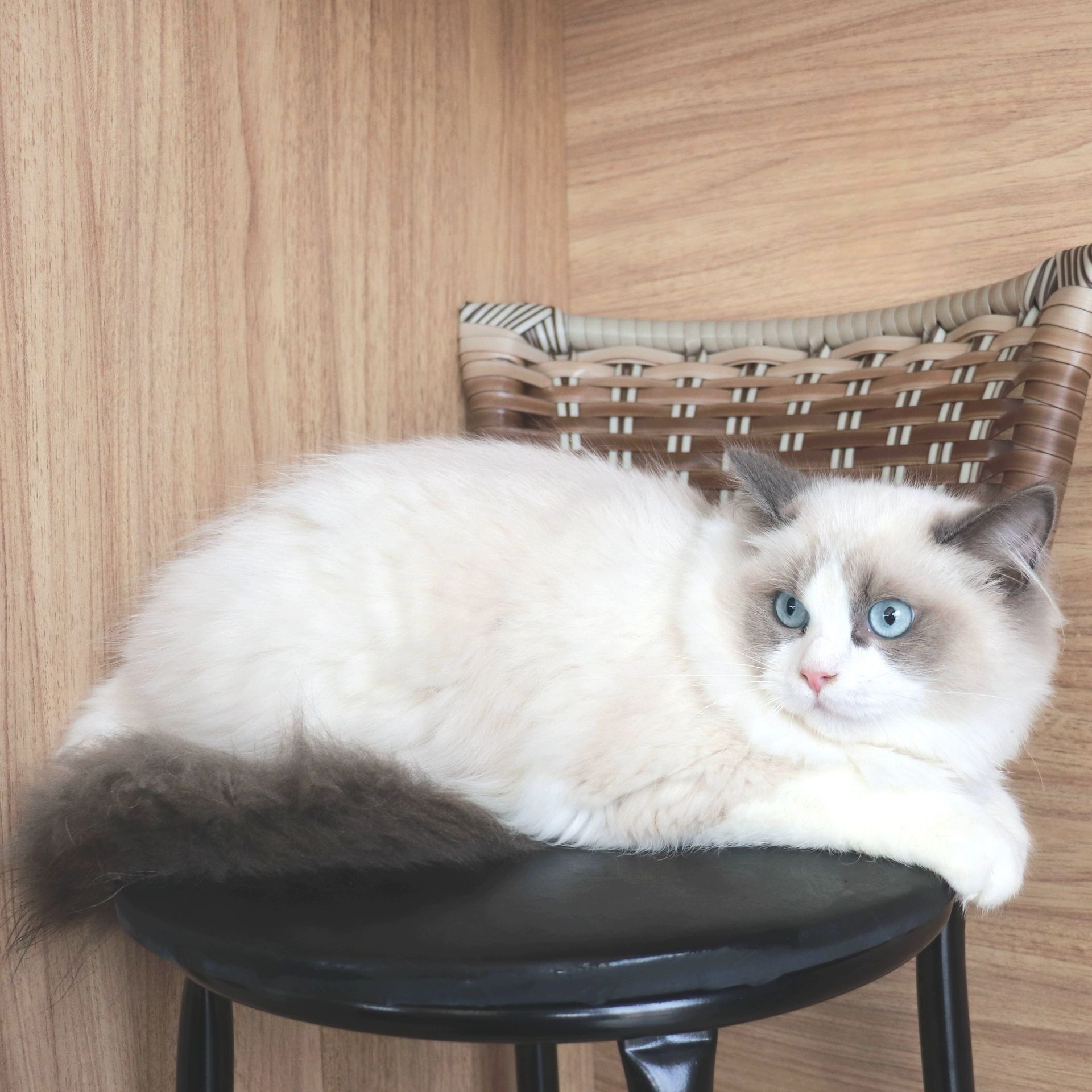
Ragdoll Males
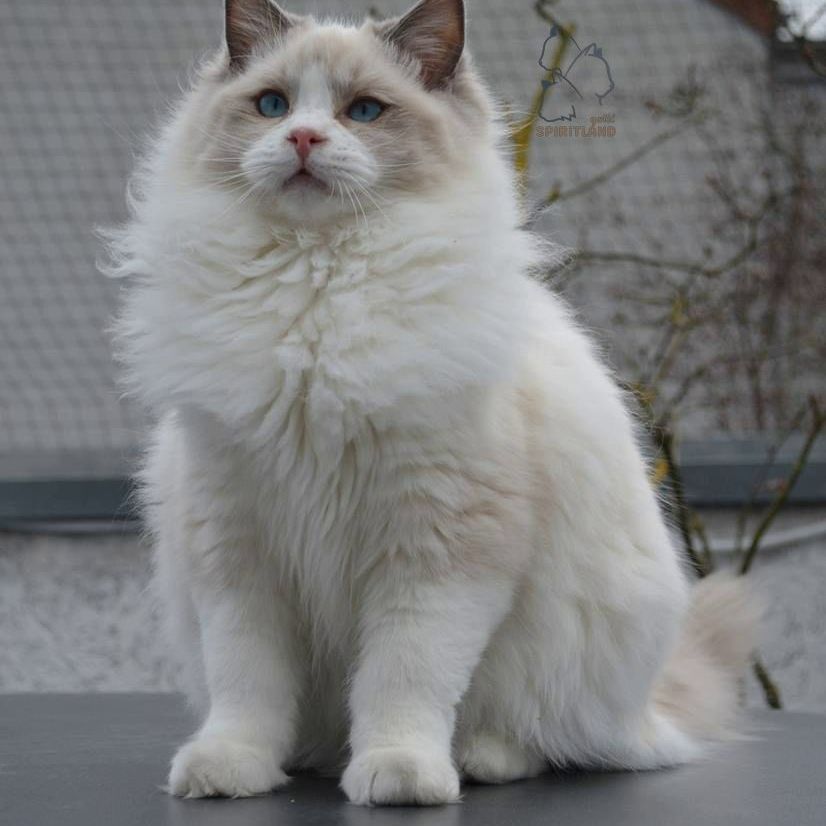
Female Ragdoll
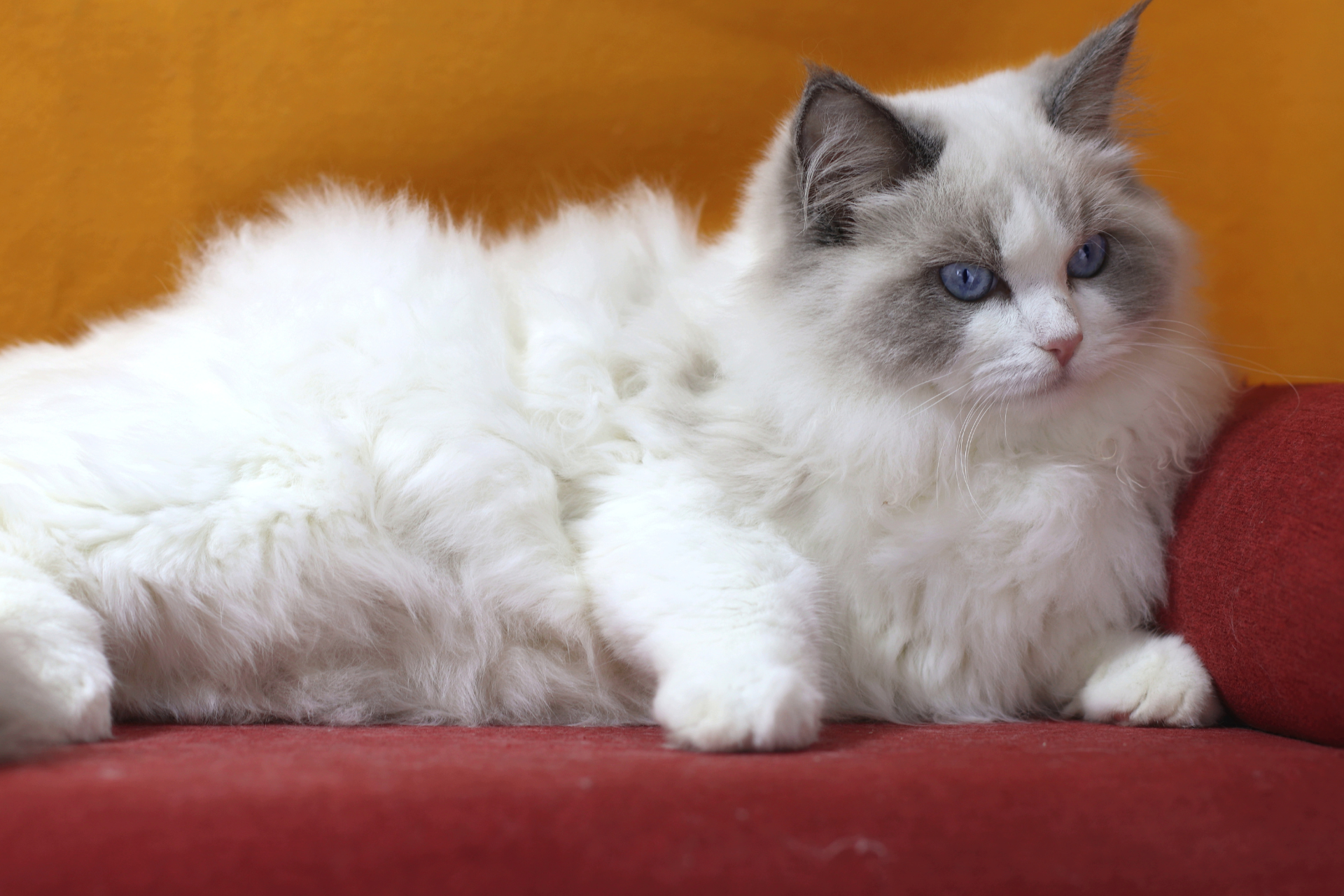
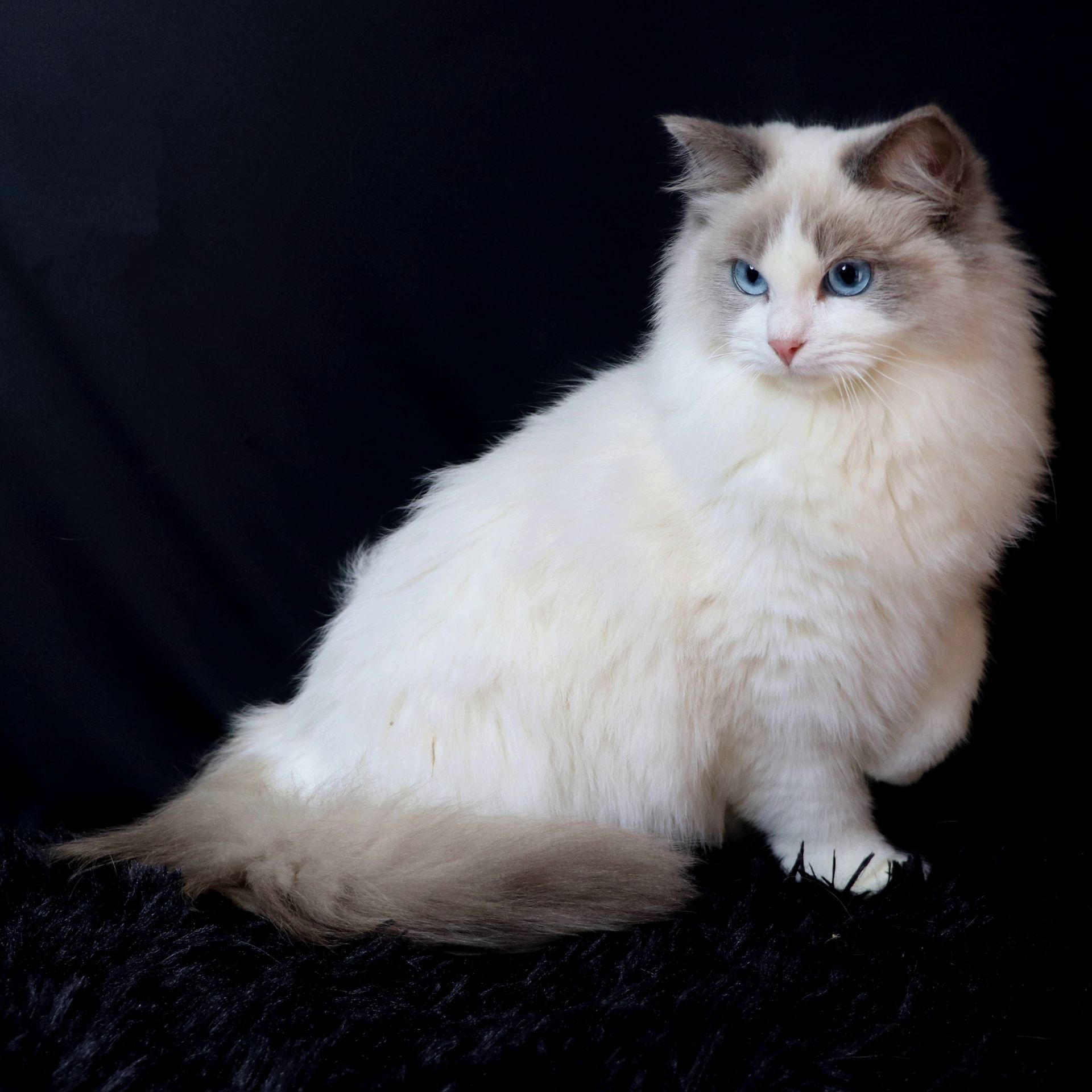
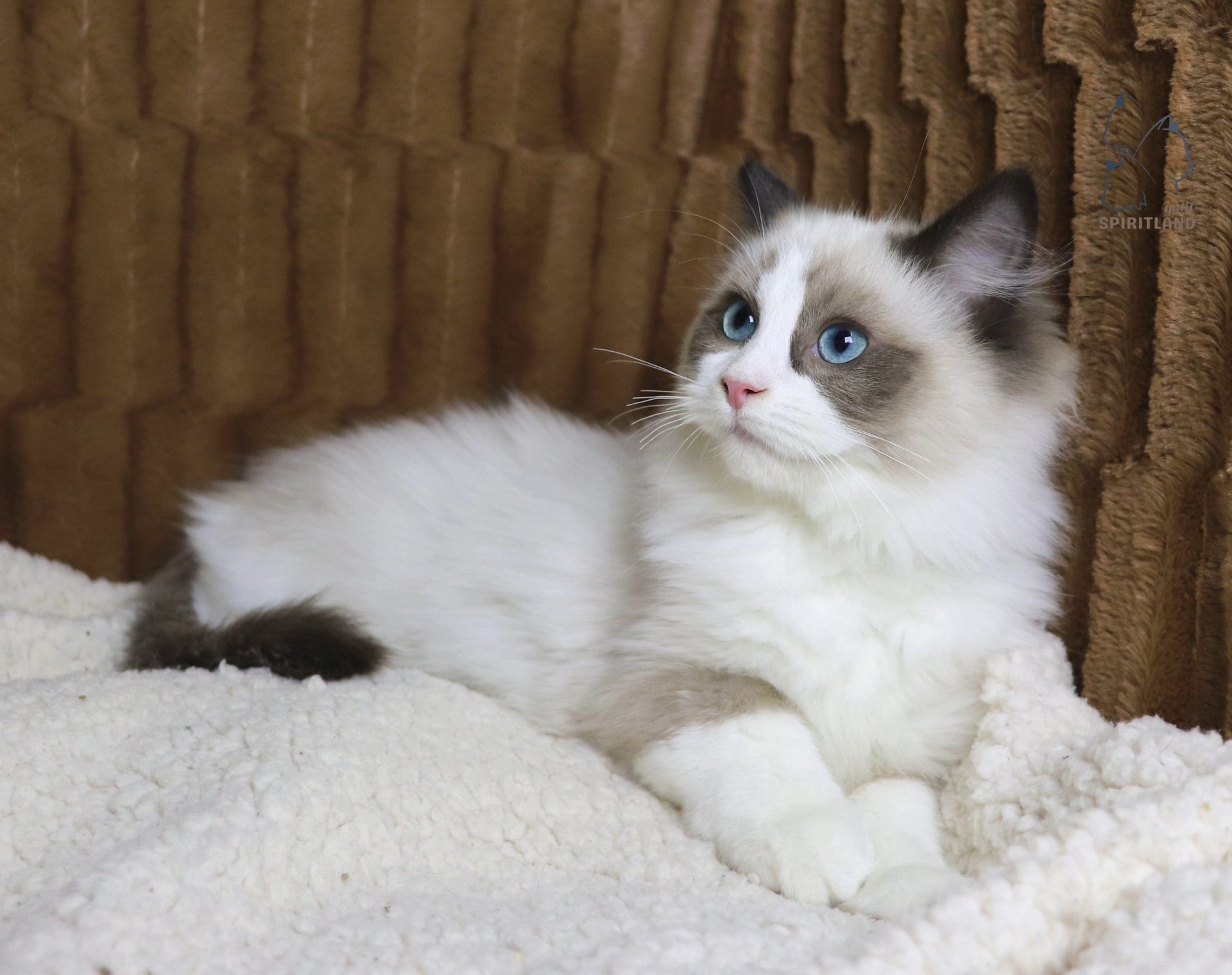
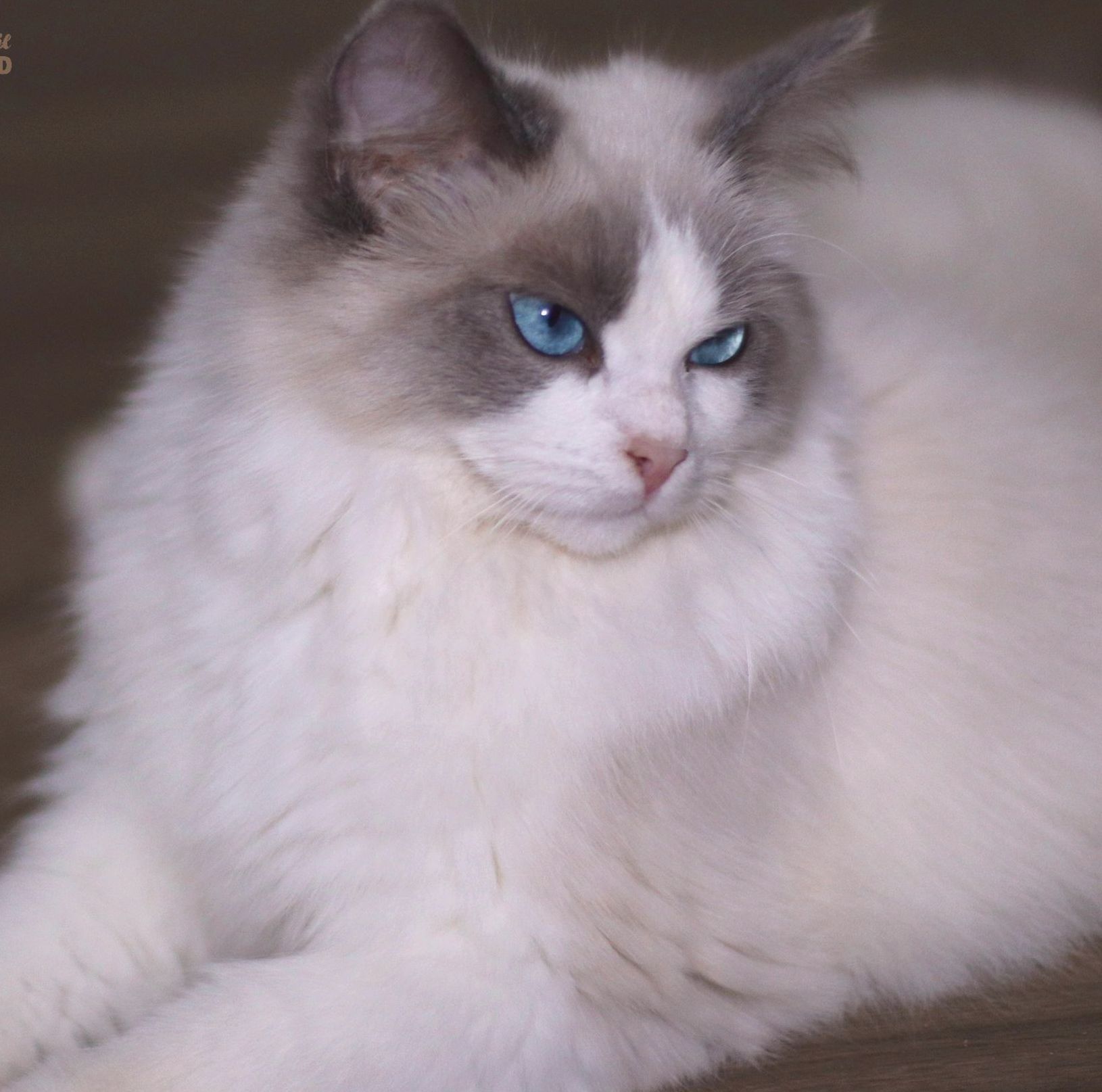
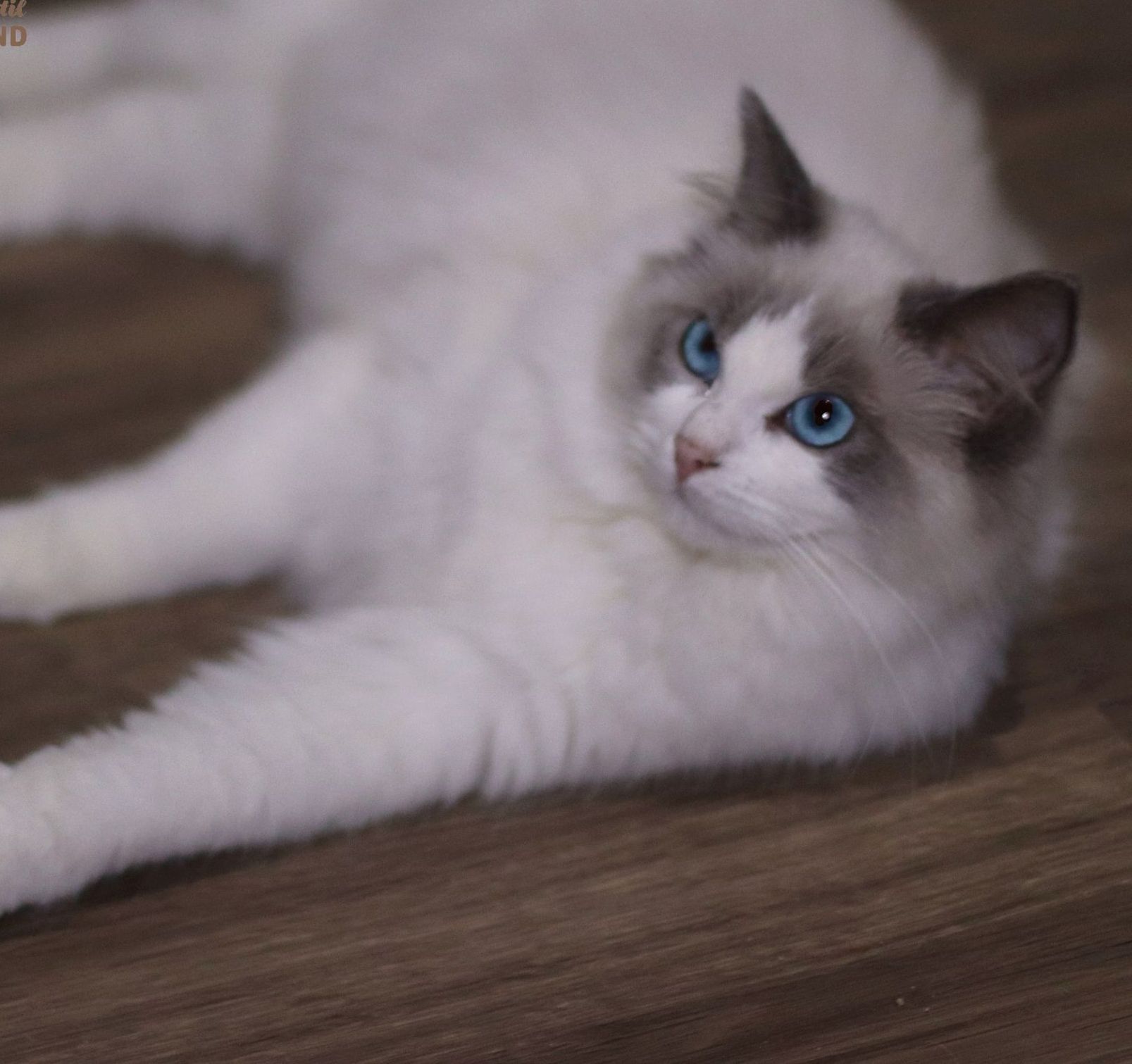
Previous litters
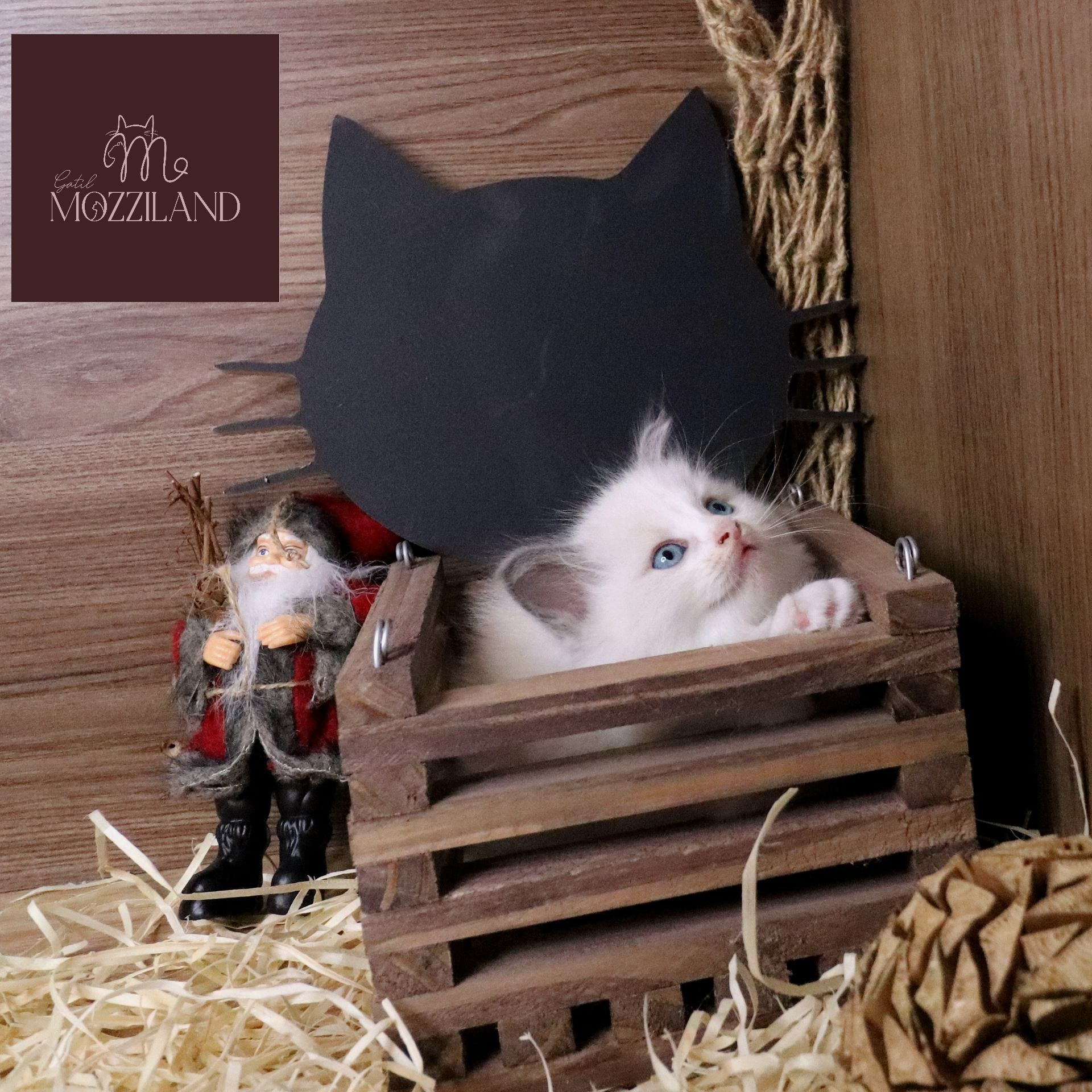
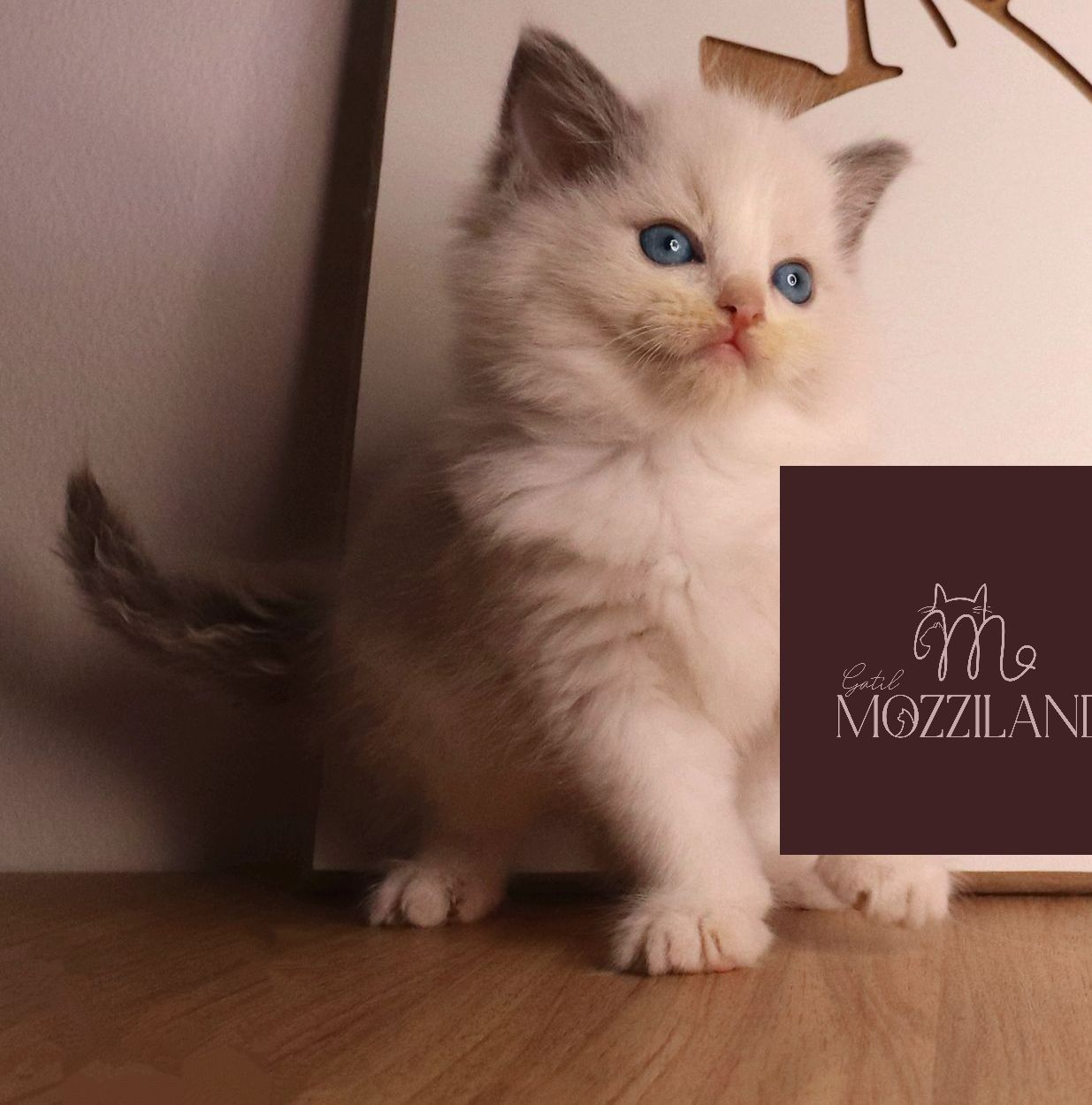
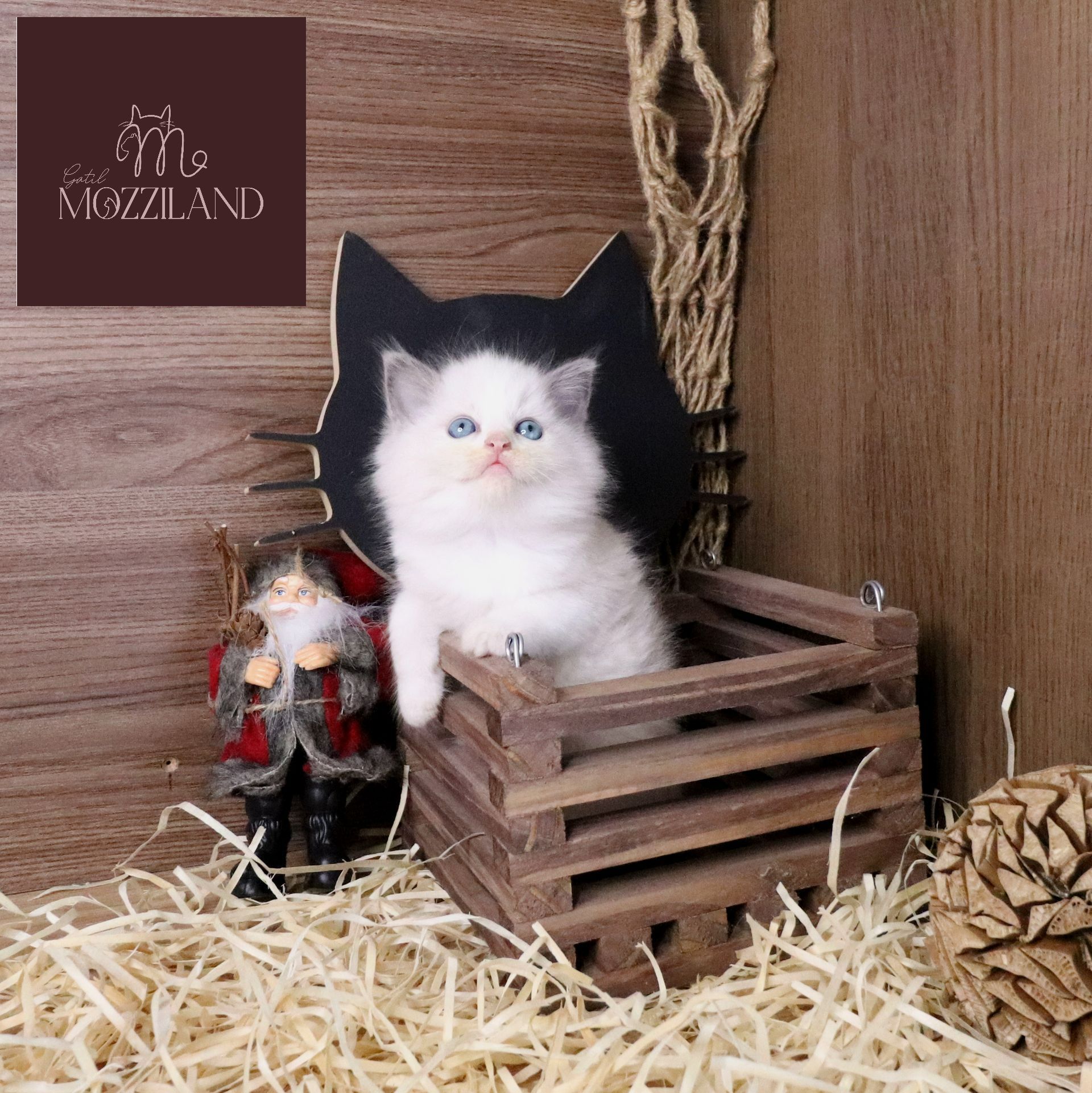
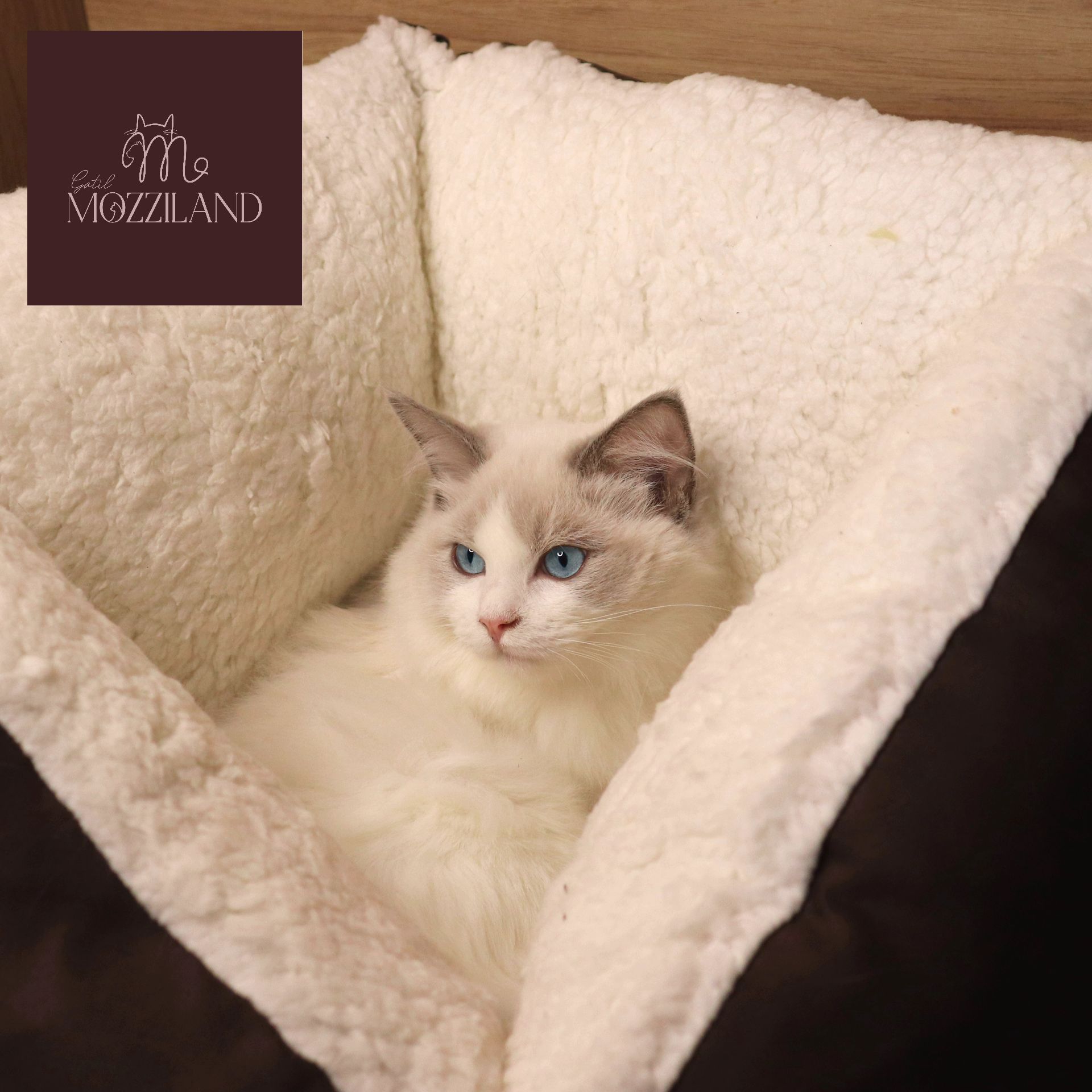
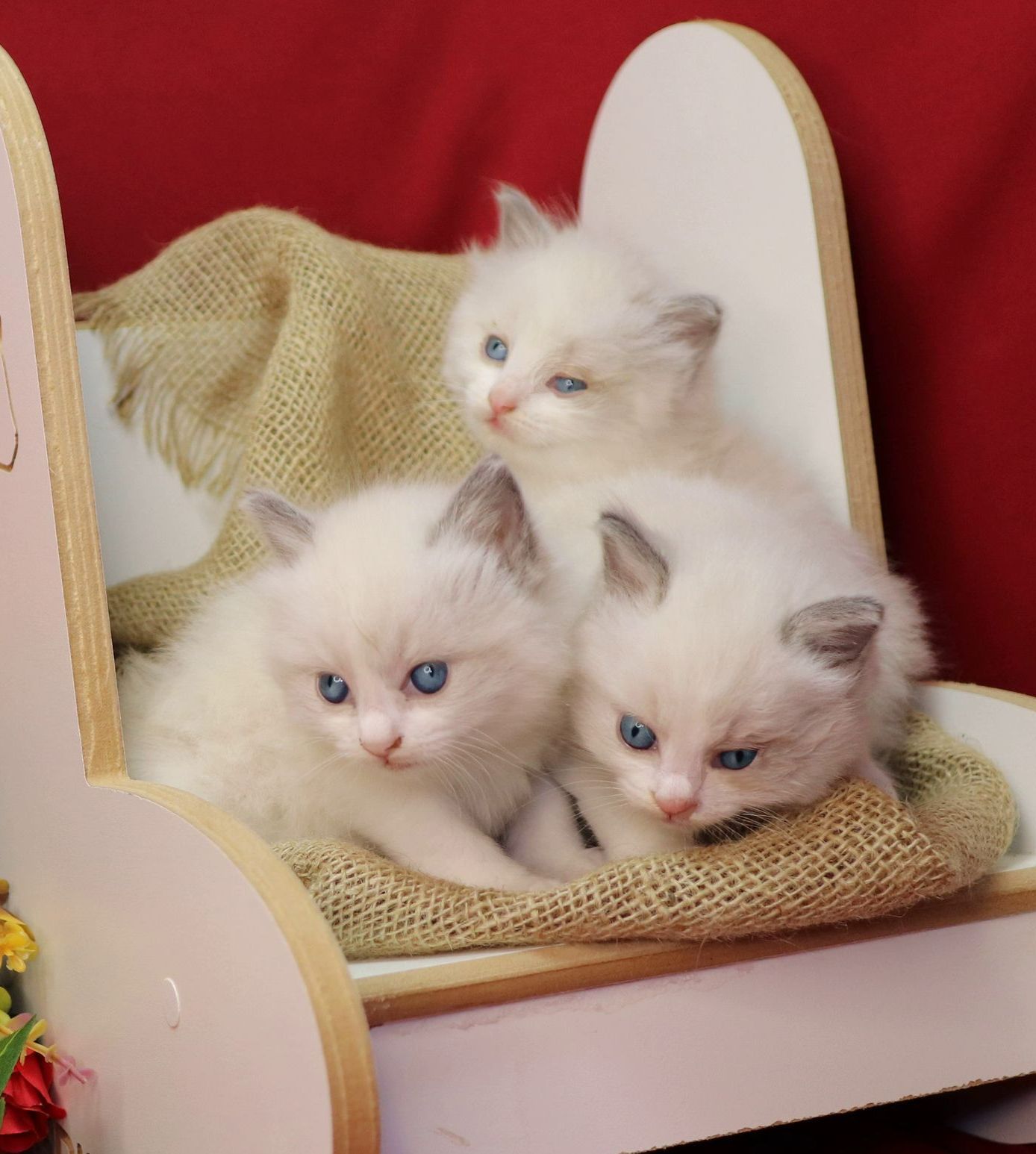
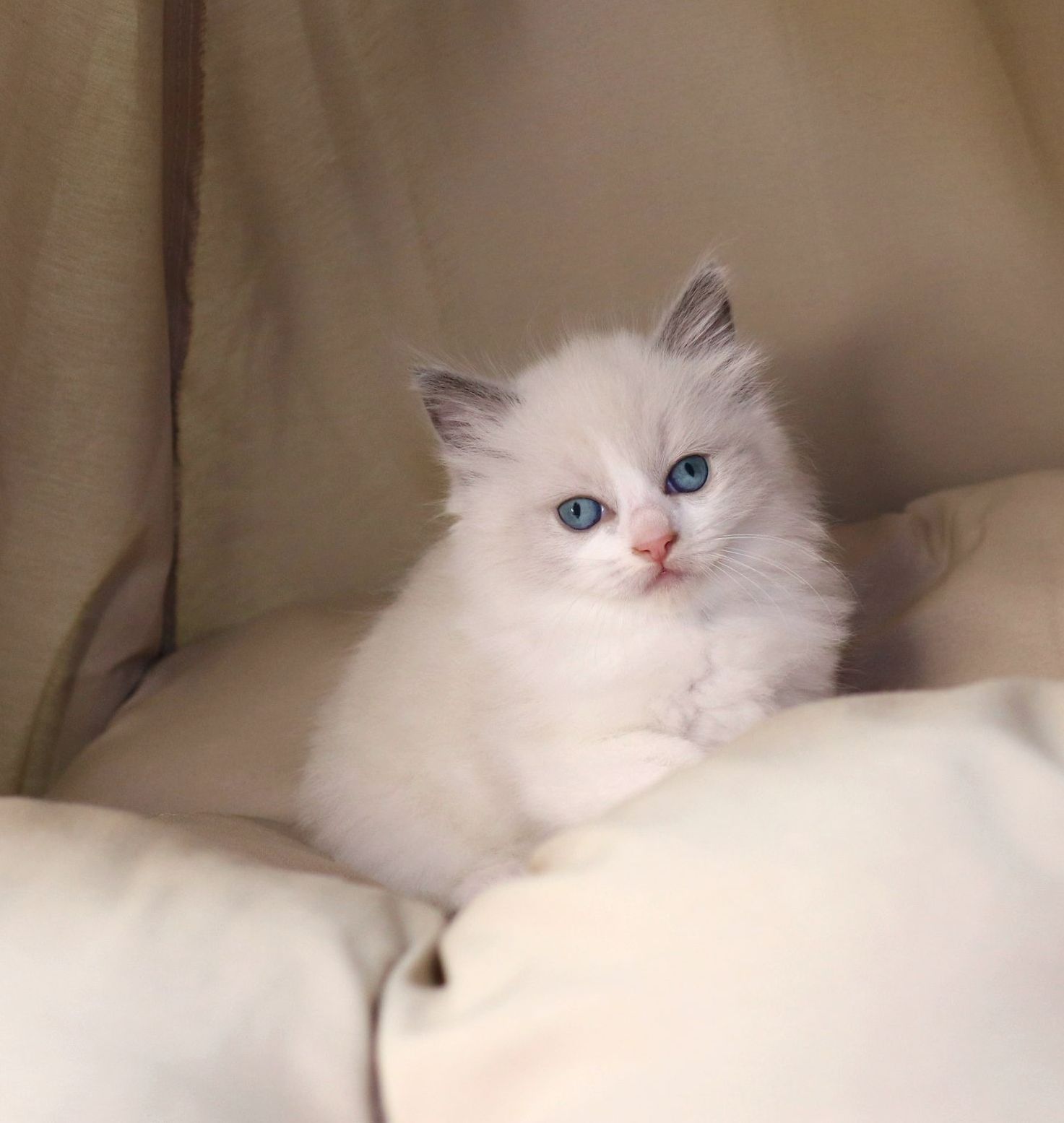
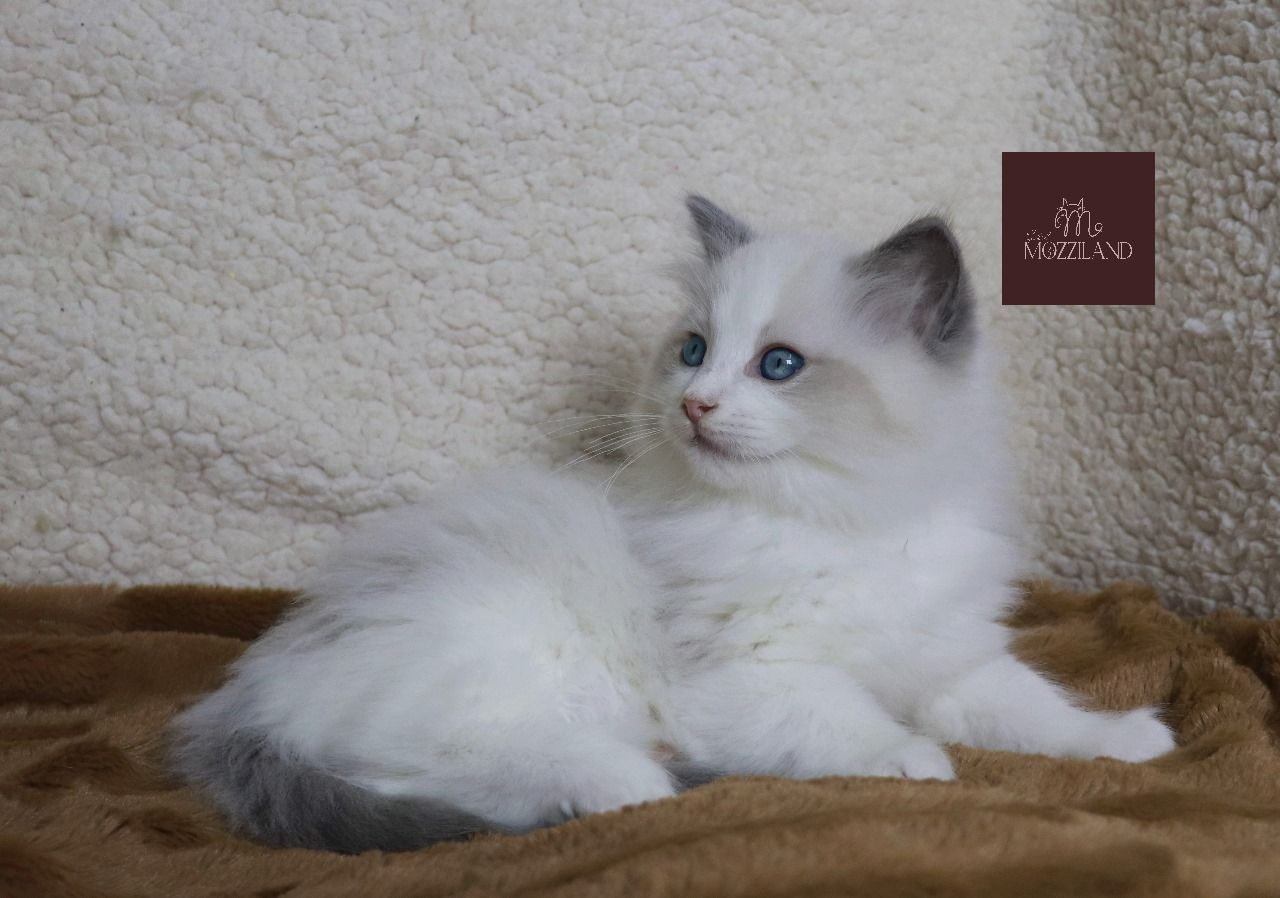
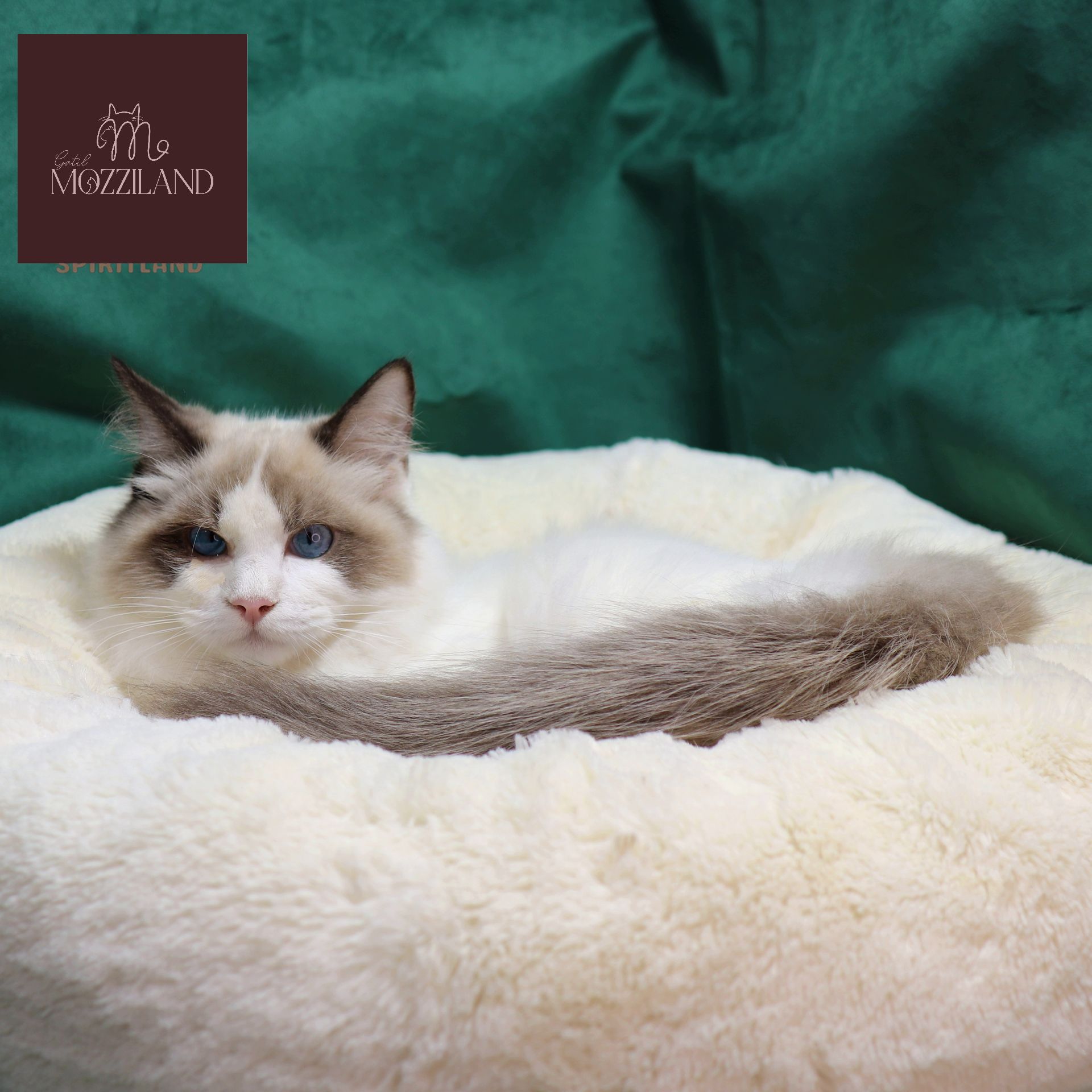
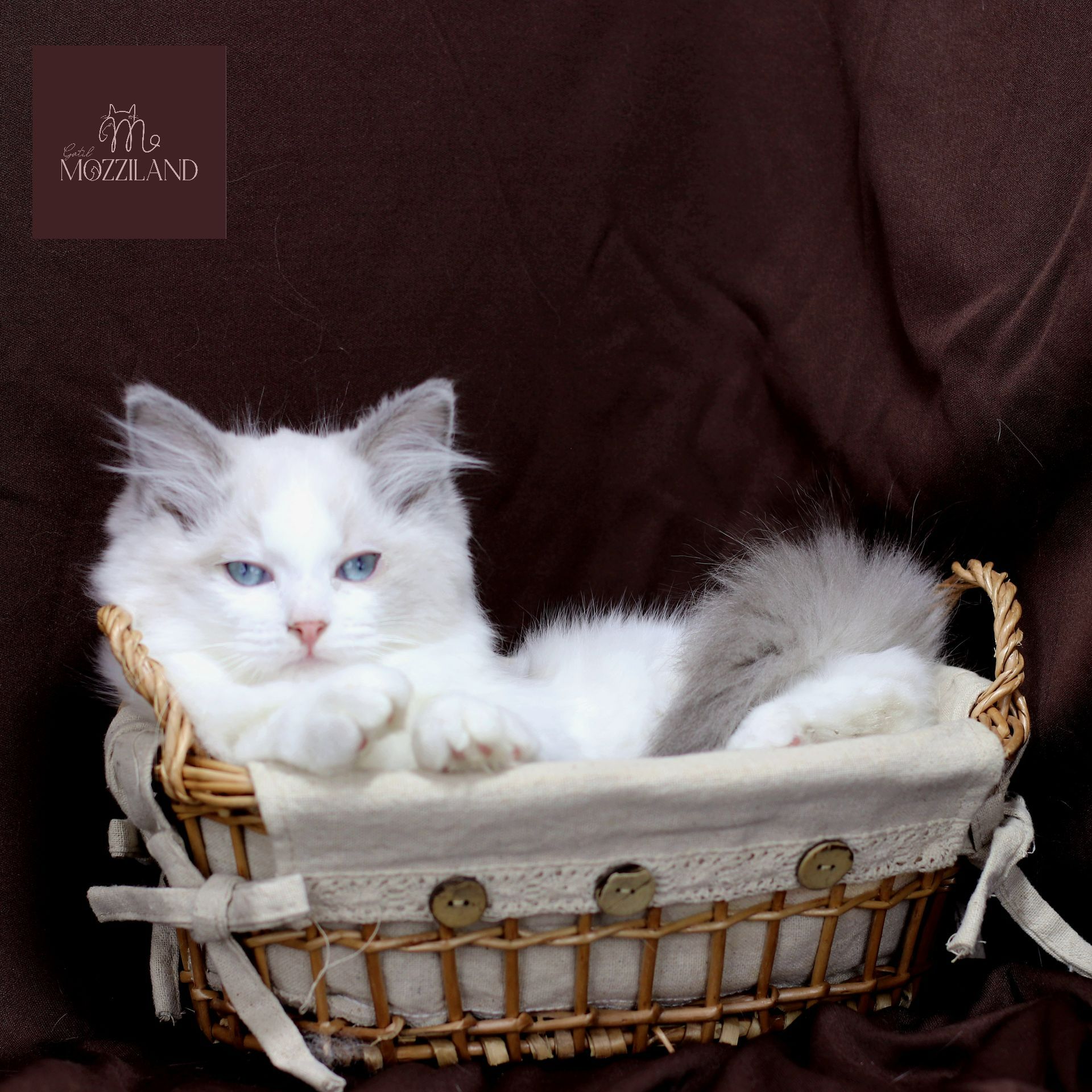
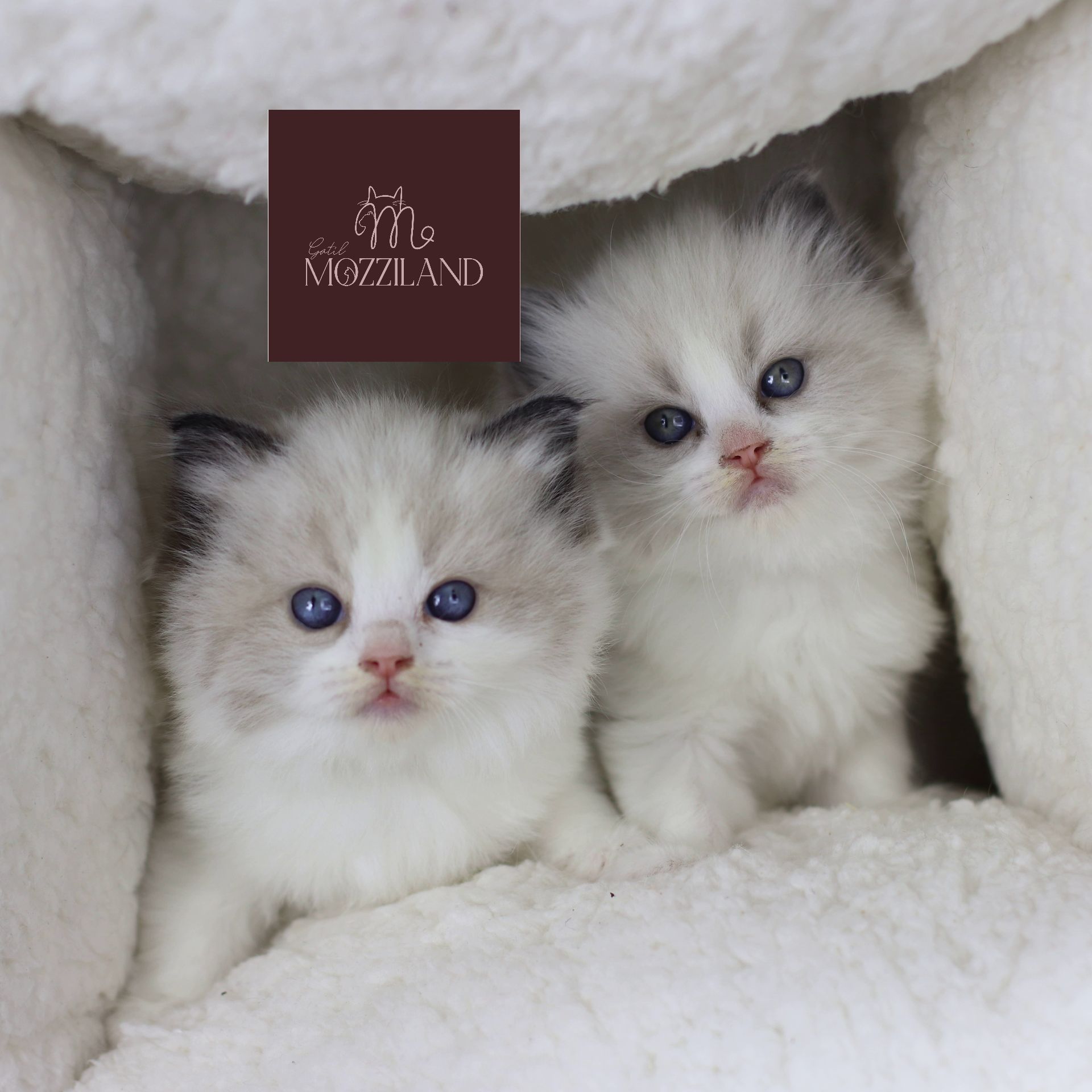
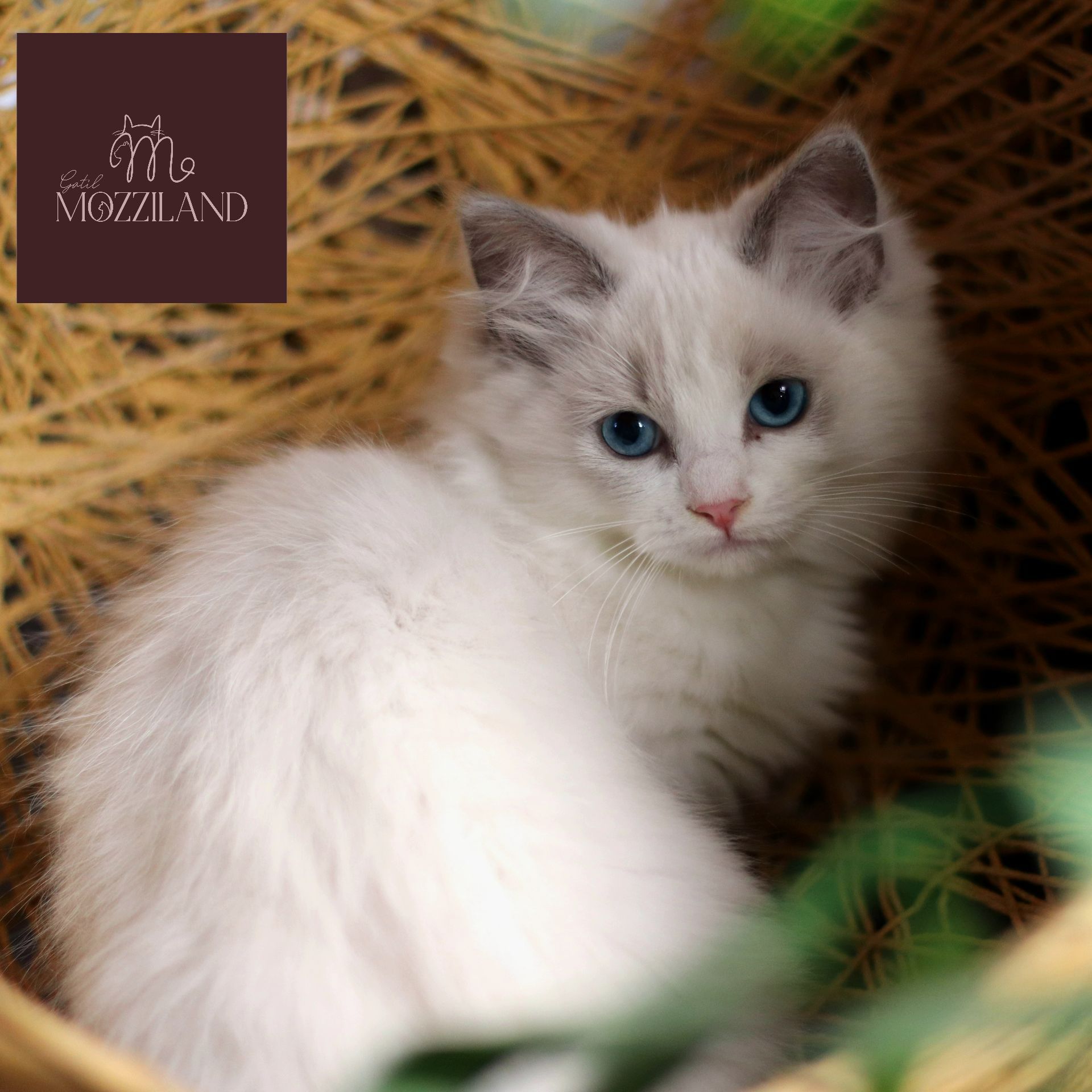
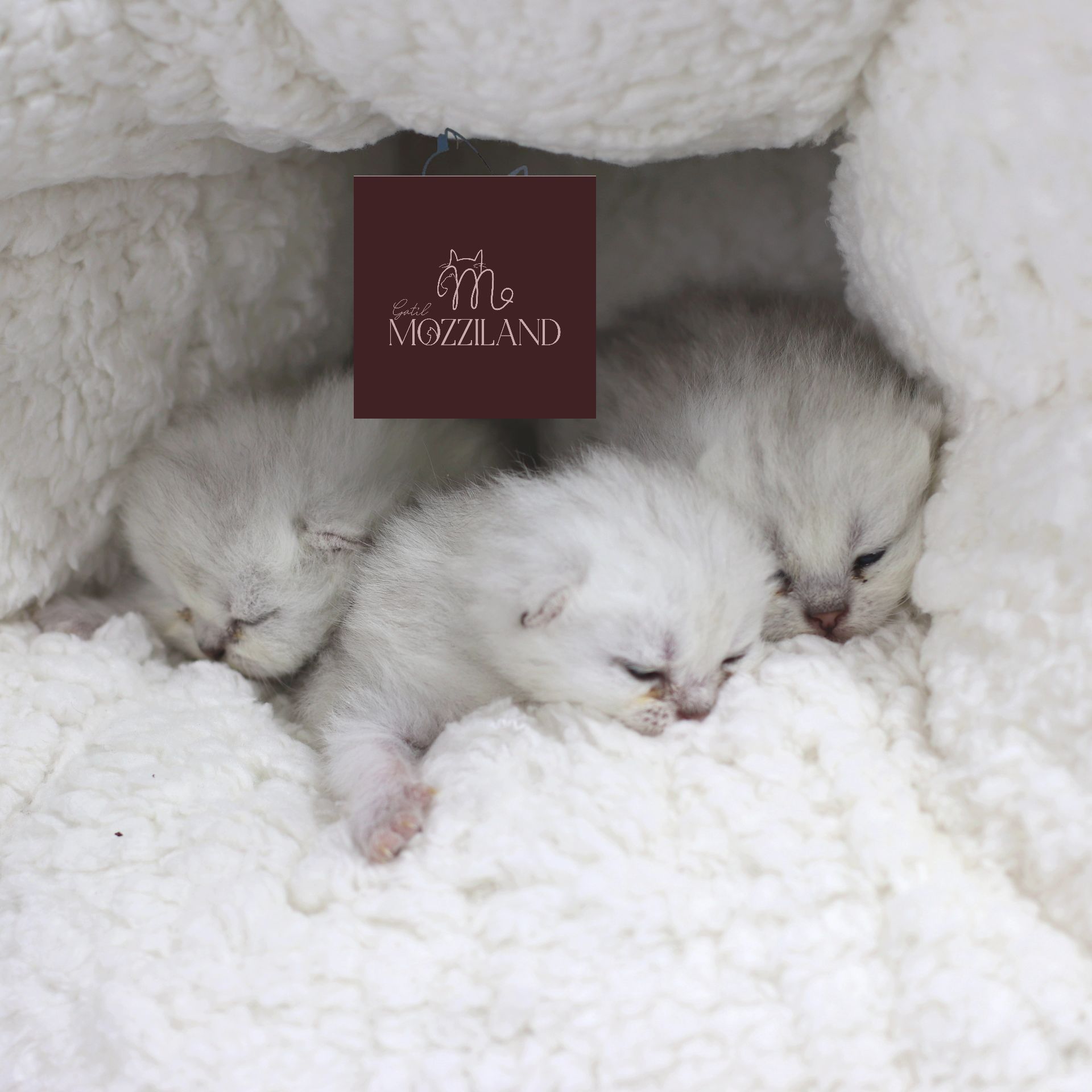
History of Ragdoll
The Ragdoll (also known as a "rag doll" cat in many parts of the world) was specially developed in the United States. Giant in size, its first specimens were carefully selected to exhibit this characteristic, as well as its docile and friendly temperament.
Although the Ragdoll is a relatively new breed of cat, its origins are shrouded in mystery. It all began in Riverside, California, with a woman named Ann Baker.
The breed supposedly began when a very skittish white Angora Persian cat (without pedigree) named Josephine was injured in a car accident around the 1960s. She was hospitalized, but fortunately, Josephine was not seriously injured and after the accident, her behavior changed, becoming totally docile, friendly and affectionate. She had more litters, from which the Ragdoll cat breed evolved.
The ancestors of today's Ragdoll kittens all evolved from Josephine.
The lineage began when Josephine had a litter, said to be from a Sacred Birman. Its breeder and owner, Ann Baker, noticed that this litter was different from Josephine's previous litters and that these kittens were special with some remarkable characteristics, and she knew then that she had to explore this new breed. These kittens were extremely docile and their bodies melted in your lap.
There are legends that say these babies were born this way due to scientific experiments their mother, Josephine, underwent while hospitalized, as well as claims that their genetics were modified in a laboratory.
Origin of the Ragdoll
Daddy Warbucks was registered as the first Ragdoll in 1966. Raggedy.
The selection of permitted colors were and are the four traditional standard colors of Seal: Blue, Chocolate, and Lilac.
(NOTE: New RED and CREAM colors resulted from recent programs and external crossbreeding).
A unique and inexplicable phenomenon is the availability of three pattern types: Colourpoint, Mitted, and Bicolour. (NOTE: Again, the new TORTIE and LYNX types were developed during the recent out-cross programs mentioned earlier).
The Ragdoll cat, which was founded in California by Ann Baker and whose creation was largely very early on (also by its founder), has suffered from a unique legend and many misunderstandings.
When Ann Baker started selling her kittens, she did so under strict guidelines. Their pedigrees bore the IRCA symbol (an association for Ragdoll cats, founded by Anne Baker) to prove that they could be traced directly to Josephine.
All buyers wishing to breed this breed had to do so under a strict sales license.
When the Dayton of Blossom-Time Cattery acquired cats from Ann Baker, they rebelled against the strict commercial terms and breeding guidelines.
They embarked on a long journey to secure a solid genetic foundation for the breed and equally to gain recognition from the world's leading feline organizations.
This was done so that the Ragdoll could be shown in exhibitions and receive the recognition that this wonderful breed deserved.
His plan went a long way in the development of the typical Ragdoll breed of today.
As breeders, we need to be very careful with the Ragdolls we breed to ensure they are healthy and don't have excessive inbreeding, which could unintentionally ruin all the hard work, time, and effort that past and present breeders have put into creating large, healthy, disease-free, and defect-free cats. We need to protect our breed to help continue the development of this magnificent breed and carry it into the future.
Ragdoll traits
The Ragdoll, which in Portuguese means "rag doll," has an imposing physique, but when we pick it up, its muscles relax, becoming weak, soft, and fragile like a rag doll, hence its name.
Ragdoll Patterns
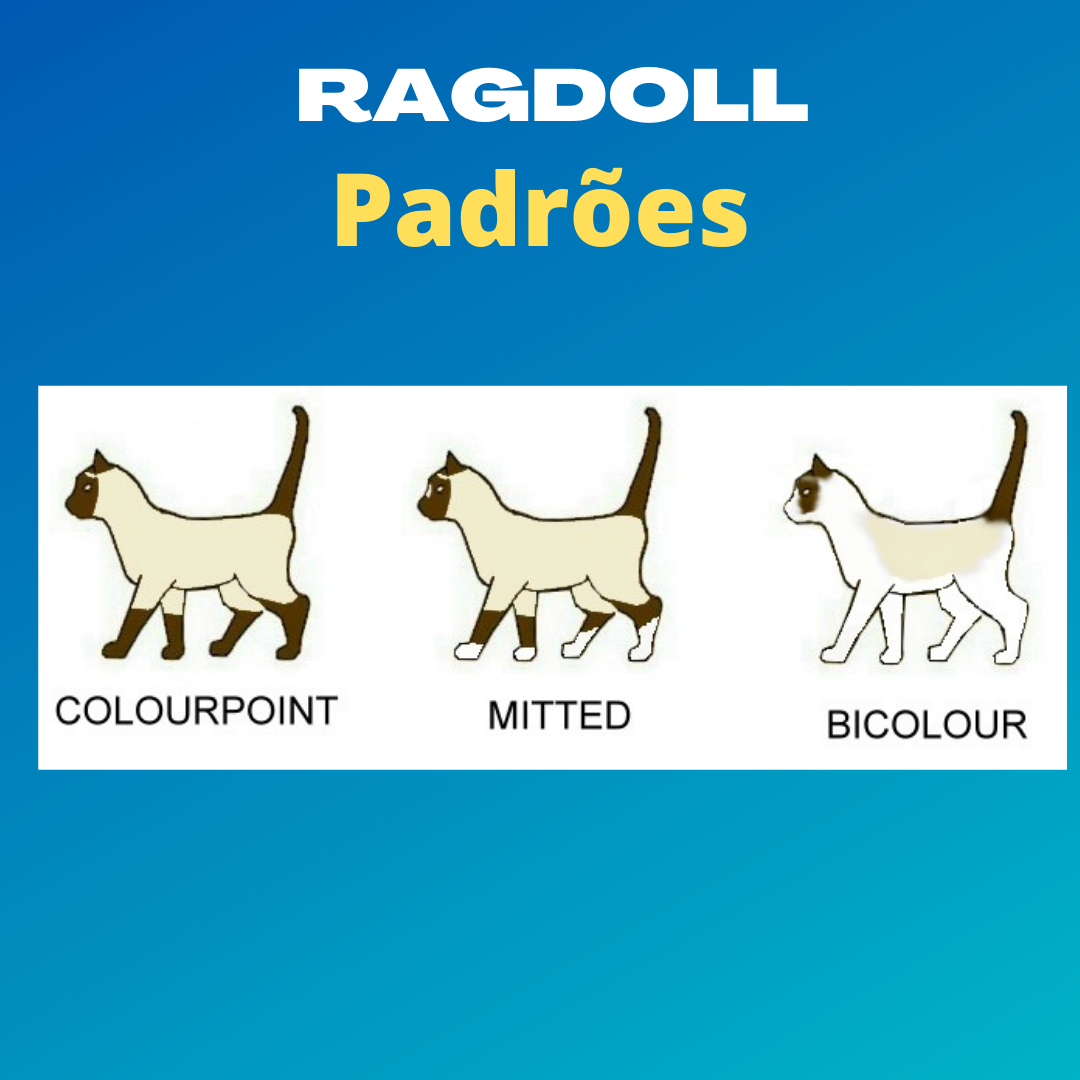
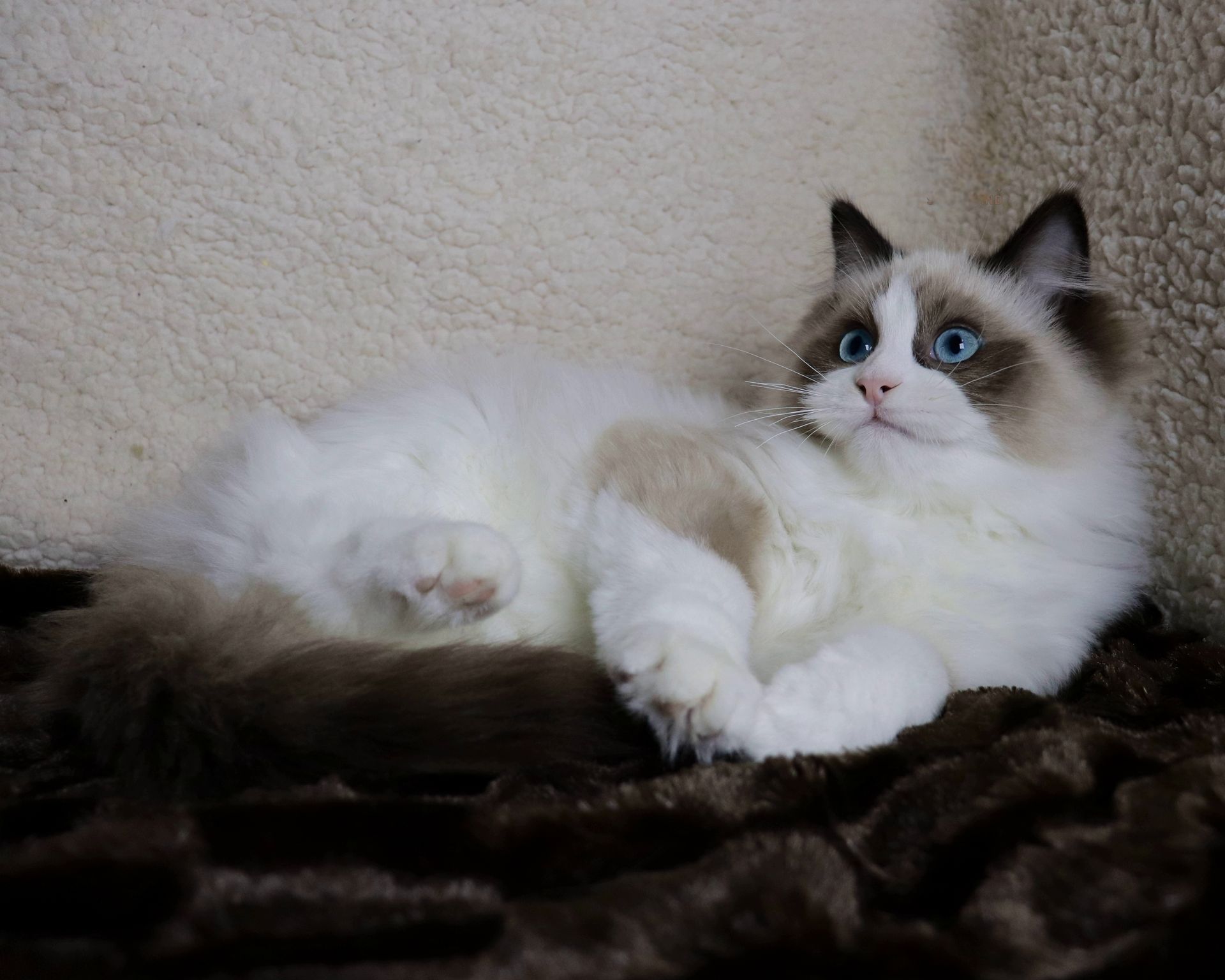
- Colorpoint – Ragdoll cats have dark coloring on their ears, muzzle, legs, feet, and tail. The color of their body is lighter than that of their extremities. The chest and chin are usually lighter.
- Mitted – Mitted Ragdolls are identical to colorpoints except that they have white paws, chin, and chest. Their front paws are white as if they were gloved, and on their hind paws these "gloves" extend further up, resembling white "boots".
- Bicolor – Bicolor dogs have darker extremities such as ears and tail. However, the bicolor is characterized by an inverted "V" on the face, which is light in color. The chest, legs, and feet are white. The nose and cheek pads are pink.
Cores do Ragdoll
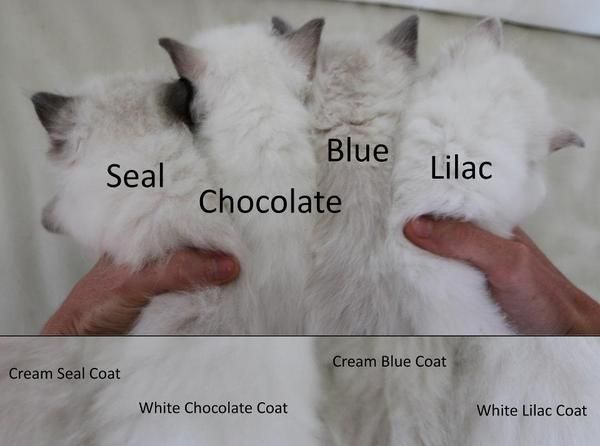
- Seal (almost black brown) – Seal cats have deep dark brown extremities. Their bodies are cream-colored, ranging from very light to a slightly darker cream. The nose and paw pads should be a very dark brown, almost black.
- Chocolate – Chocolate Ragdolls have light chocolate-colored tips (the extremities of their bodies), which can vary to a darker shade of chocolate.
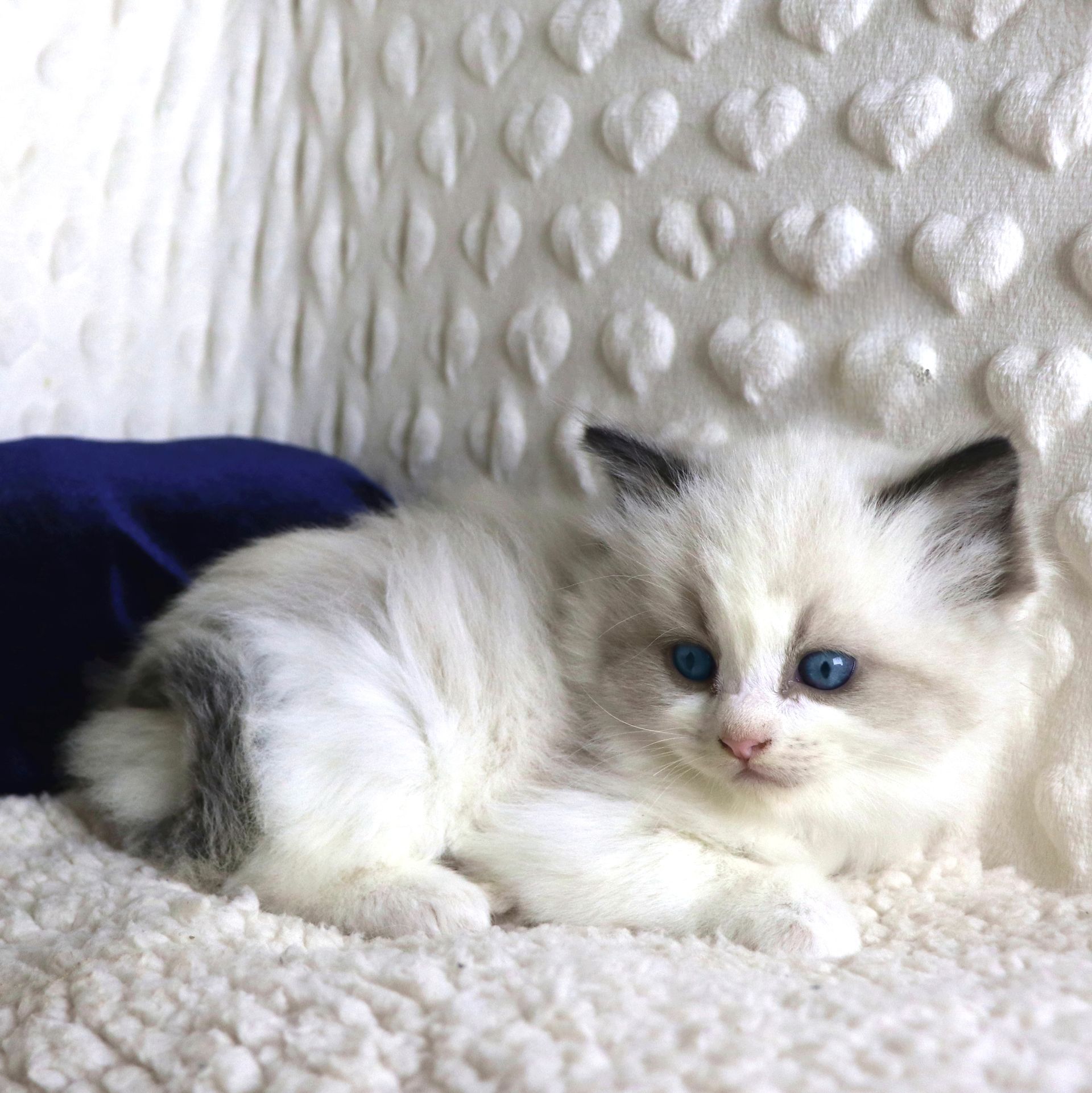
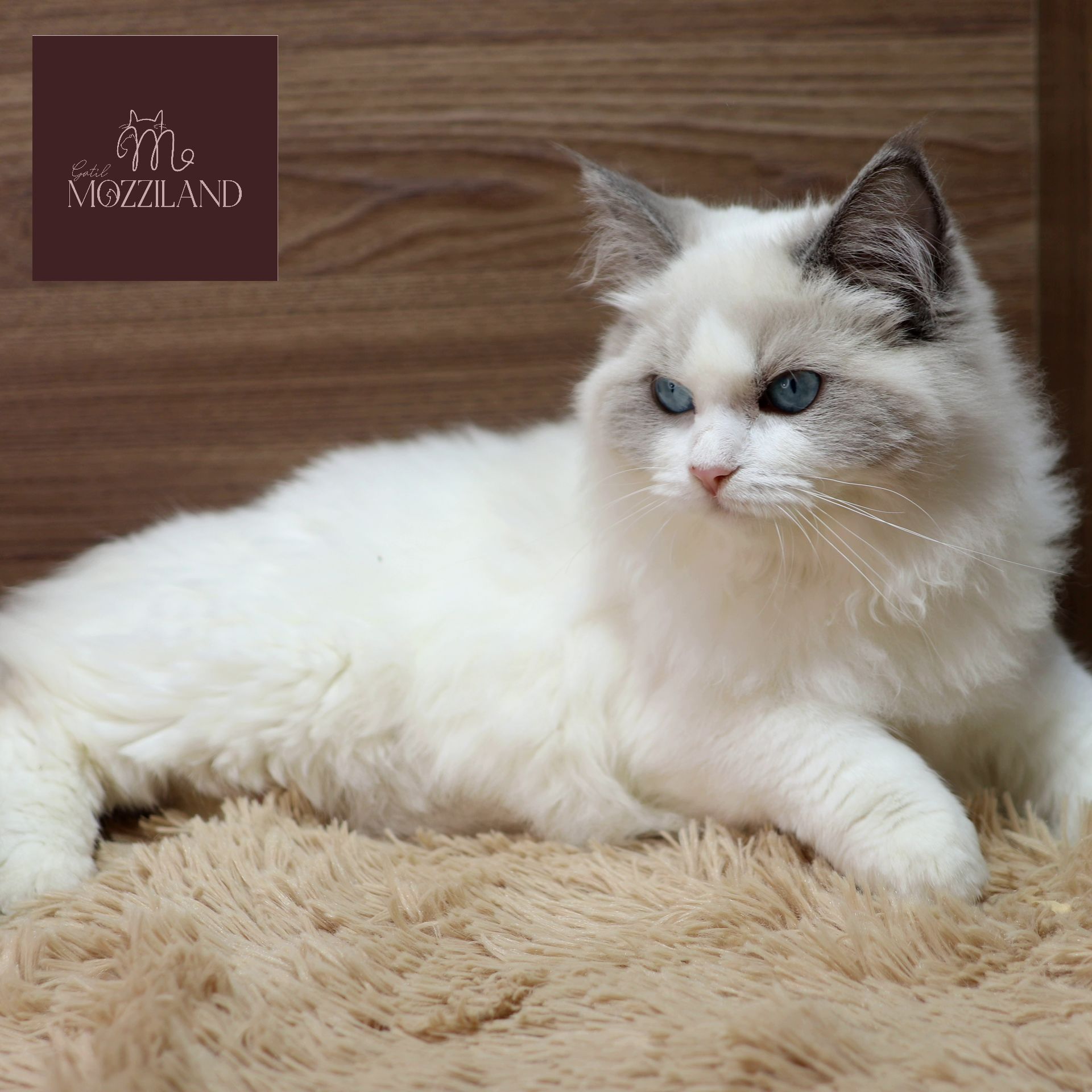
- Blue – The Blue Ragdoll has extremities that range from a light blue to a silvery blue, giving it a grayish appearance.
- Lilac – The Lilac Ragdoll has extremities that range from very light lilac to a rosy beige. Their bodies should be milky white, and their noses and cheekbones can be pink to lavender.
Ragdoll Description
According to breed standards, the Ragdoll should be a large, heavy, and muscular cat. However, it is common for them to have a noticeable "belly." Males, in particular, tend to be quite large, and are easily distinguished from females even when they are kittens.
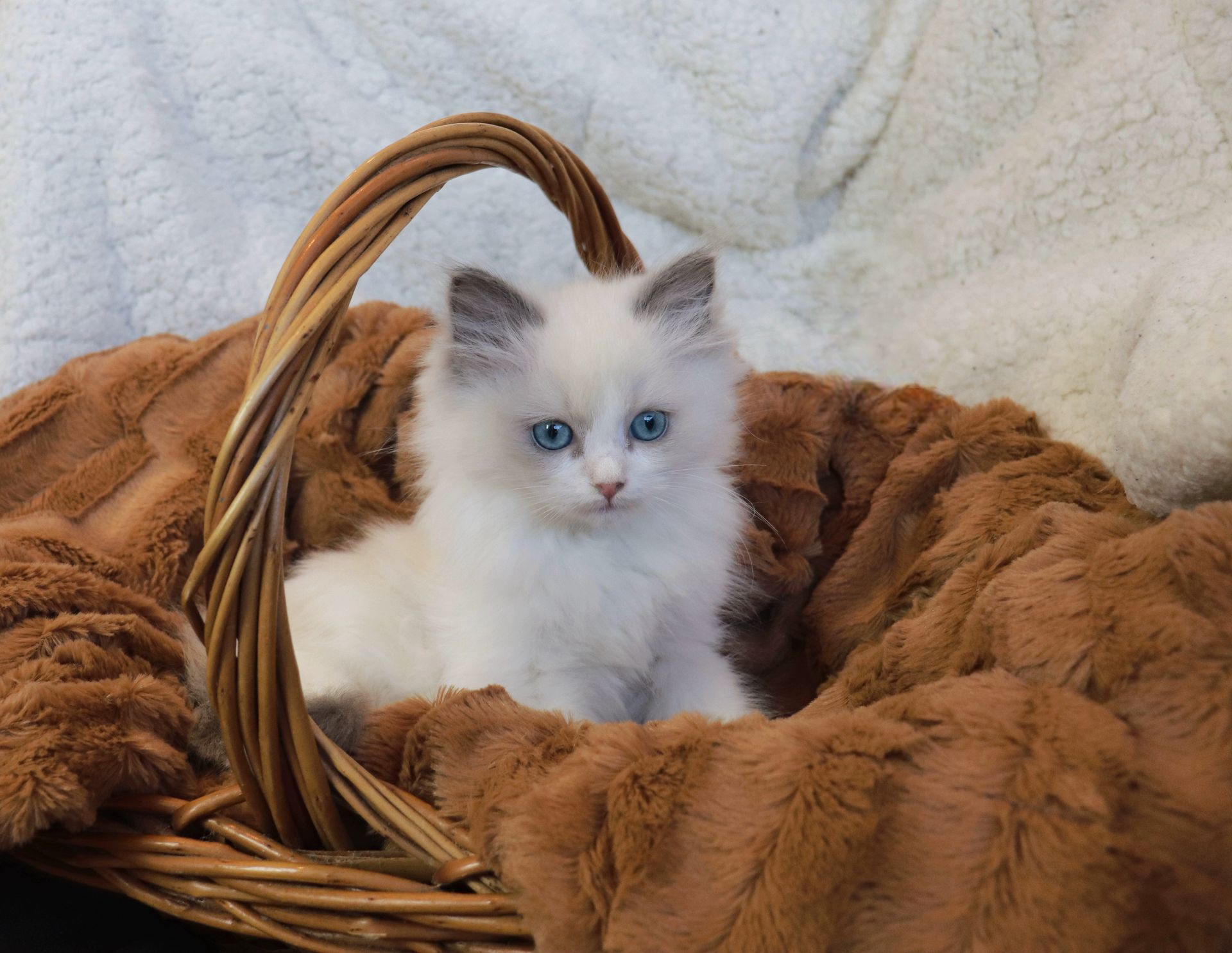
Its ears are quite triangular, proportional to its head, as is its rounded snout. As mentioned before, its eyes must necessarily be blue; no variation is accepted (if this occurs, the animal is considered a mixed breed).
Its long tail (almost the same length as its body) should be covered in fur.
In the neck area, it has denser fur than the rest of its body.
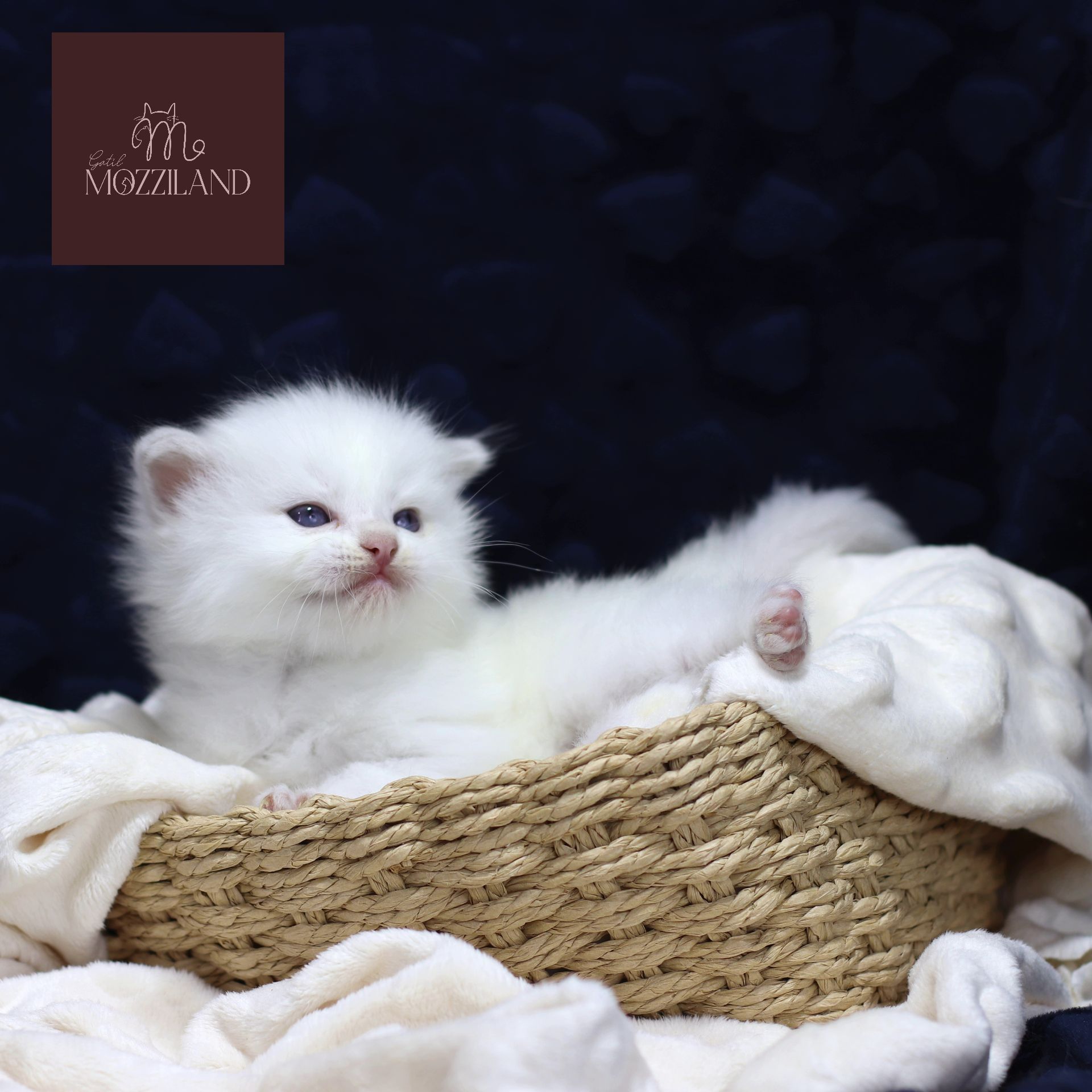
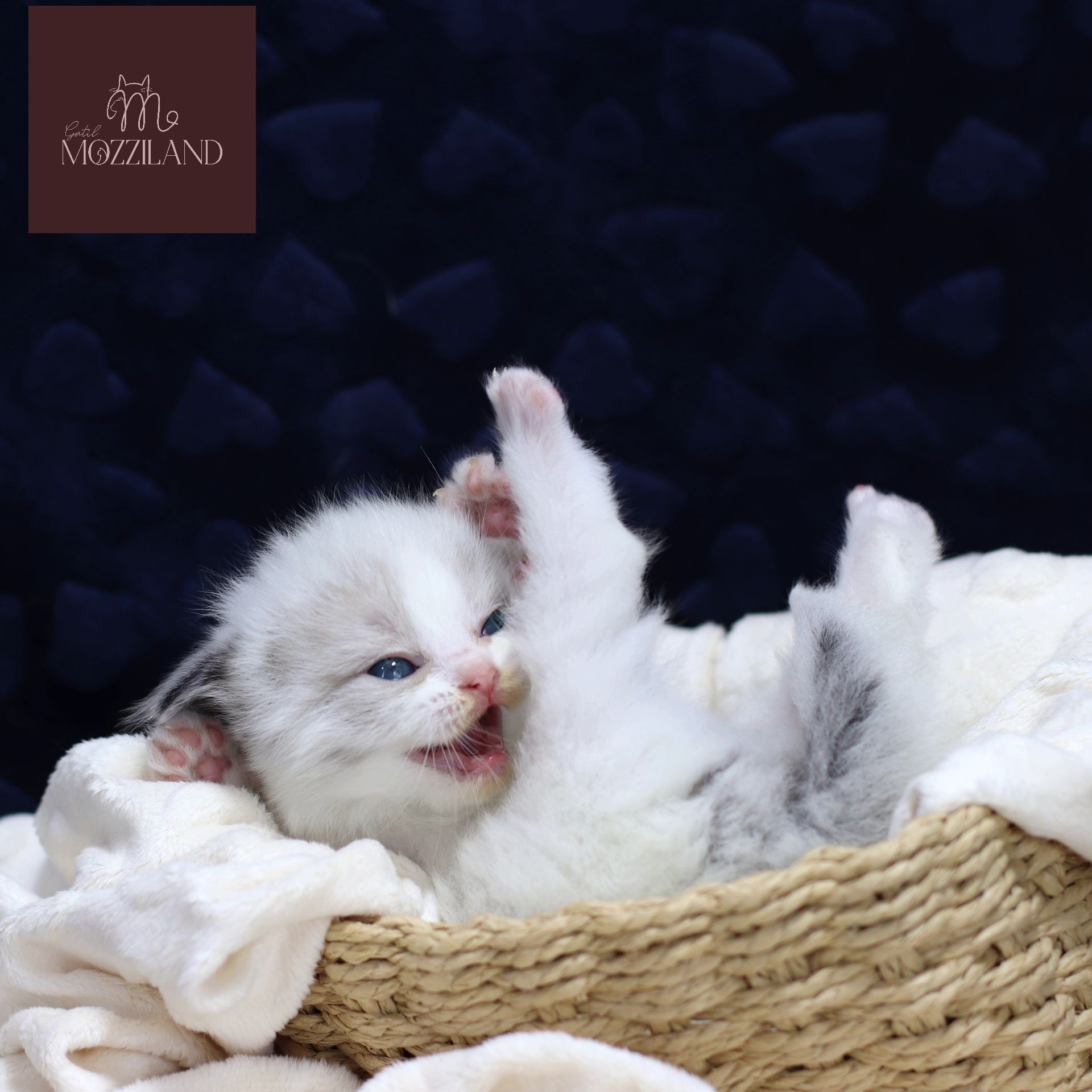
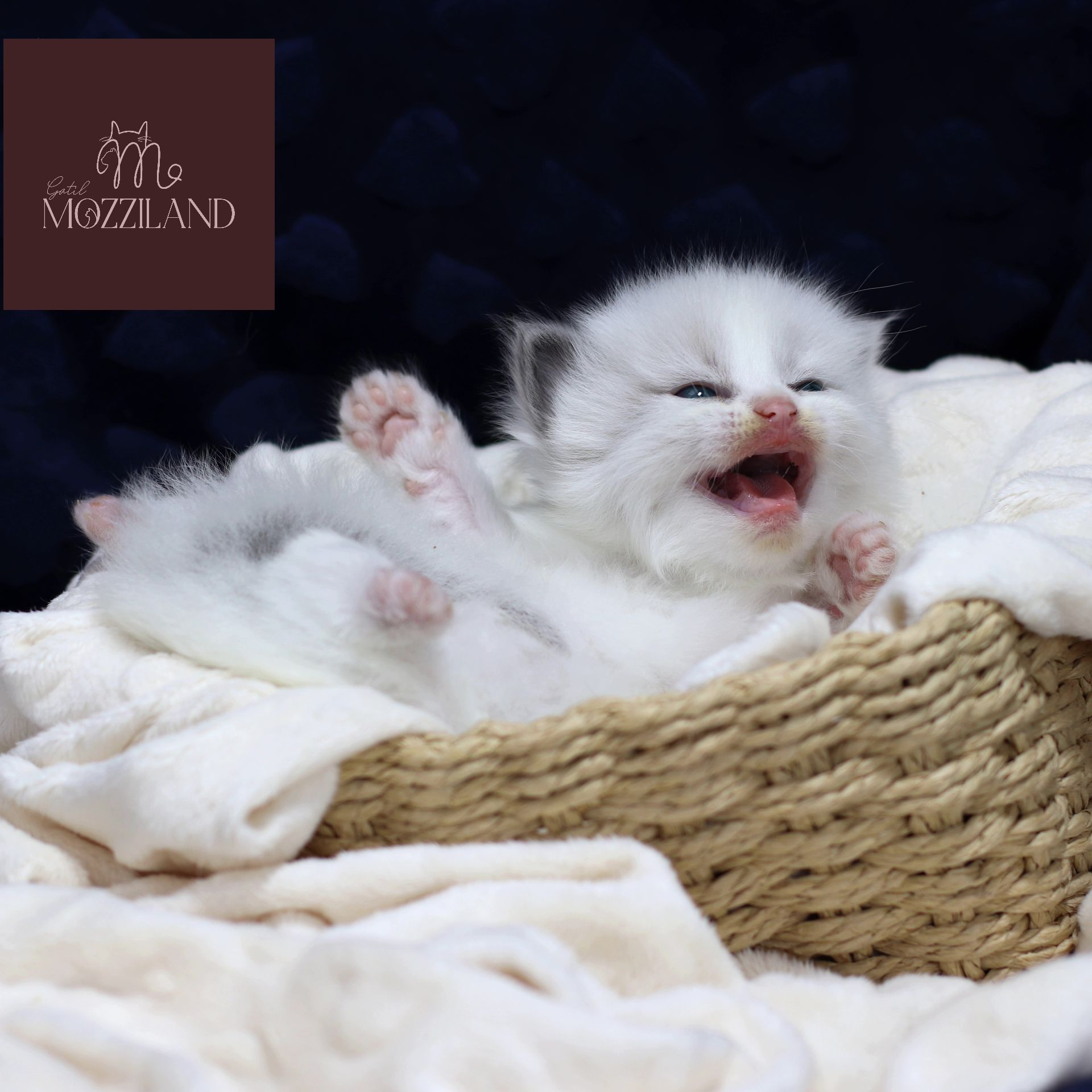
The puppies are born completely white or cream-colored, and the fur coloration only begins to appear after the fourth or fifth day of life, but the fur color will only become definitive from the age of two and will only reach its maximum length at four years of age.
The traditional Ragdoll only has 3 traditional patterns: bicolor, mitted, and colorpoint, and only in the colors seal, blue, chocolate, and lilac.
Thus, among the most specific characteristics, the following stand out:
Head
Medium-sized, broad, somewhat wedge-shaped, with rounded contours. Flattened skull between the ears. Slightly rounded forehead. Well-developed cheeks. Rounded, moderately long, well-developed muzzle. Nose with a slight arch in the upper third. Well-developed chin.
Body
A large breed that should have a long, substantial body and a full chest.
Your bone structure needs to be strong and substantial.
When you pick up a Ragdoll, its weight may seem surprising.
Eyes

Slightly oval and always blue, though they can be of different shades.
Cauda
Long, proportionate to the body, quite thick at the base, tapering slightly towards the tip. Well-furnished and leafy.
Ears
Medium-sized ears, broad at the base, spaced apart, slightly directed forward, rounded at the tip.
Neck
Short, heavy, and strong.
Coat
Semi-long, soft, silky hair, close to the body.
Health
It is a robust cat that generally enjoys perfect health. To promote its growth, the Ragdoll needs a complete and balanced diet.
Its thick coat requires brushing twice a week to prevent knots and skin problems.
A Ragdoll can weigh around 10 kilograms. It has an average lifespan of 12 years.
Hypertrophic cardiomyopathy (HCM) is the most common form of heart disease in cats. It causes thickening (hypertrophy) of the heart muscle. Avoid breeders who claim to have HCM-free lines. No one can guarantee that their cats will never develop HCM.
Size
- Height - 50 to 60 cm
- Males grow until they are 4 years old
- Weighing 5 to 9 kg
- Females grow until they are 3 years old
- Weighing 4 to 6 kg
Life expectancy
12 to 15 years old
